





Why Budget-Friendly Ammunition Often Shoots Better Than You Expect
Find Cheap Ammo Without Sacrificing Quality: Your Honest Guide to Saving Big
A shooter stocking up for a weekend range session might grab a box of cheap ammo to stretch their https://specialtysportsandsupplyltd.com/ budget without sacrificing trigger time. Cheap ammo typically refers to factory-new or remanufactured cartridges sold at lower prices, often using steel casings or bulk-packed projectiles to cut costs. Its primary benefit is allowing high-volume practice and plinking, where precision is less critical than consistent function and affordability. To use it effectively, simply load it like standard ammunition, but check for reliable cycling in your firearm before relying on it for serious use.

Why Budget-Friendly Ammunition Often Shoots Better Than You Expect
Budget-friendly ammunition often shoots better than you expect because modern manufacturing tolerances have tightened dramatically, even for value-priced lines. Inexpensive ammo typically uses slightly softer lead cores and lighter jacketing, which actually allows the bullet to engage barrel rifling more consistently, minimizing pressure spikes and improving velocity uniformity. While it won’t match match-grade precision, it frequently delivers sub-2-inch groups at 50 yards from a decent rifle—plenty for defensive practice or steel plinking. The real gain is shot-to-shot reliability; cheap ammo is loaded in high volumes, meaning primer seating and case dimensions are automated and highly consistent. Treat budget rounds as a baseline and test multiple lots in your firearm. Q&A: Why does cheap ammo group better than some premium hunting loads? Because its softer bullet construction deforms less at seating, reducing flyers caused by hard-jacket distortion. For most practical shooting, that consistency beats exotic components.
What Actually Determines the Price Tag on a Box of Cartridges
The price tag on a box of cartridges mostly comes down to brass case quality and primer sensitivity, not just the bullet itself. Cheap ammo often uses thinner, re-used brass that may not chamber as smoothly in tight rifles, and primers that need a firmer striker hit. You’re also paying for powder consistency—budget loads use ball powder that meters fast but burns dirtier, while premium boxes use extruded sticks for cleaner, more uniform ignition. Bullet jacket thickness matters too: thinner copper saves money but can foul your barrel faster. Essentially, you’re trading a bit of polish and predictability for a lower price, not necessarily safety or raw accuracy.
Cheap ammo’s lower cost comes from thinner brass, simpler powder, and less precise primers—not from dangerously weak loads, so the price tag reflects refinement, not reliability.
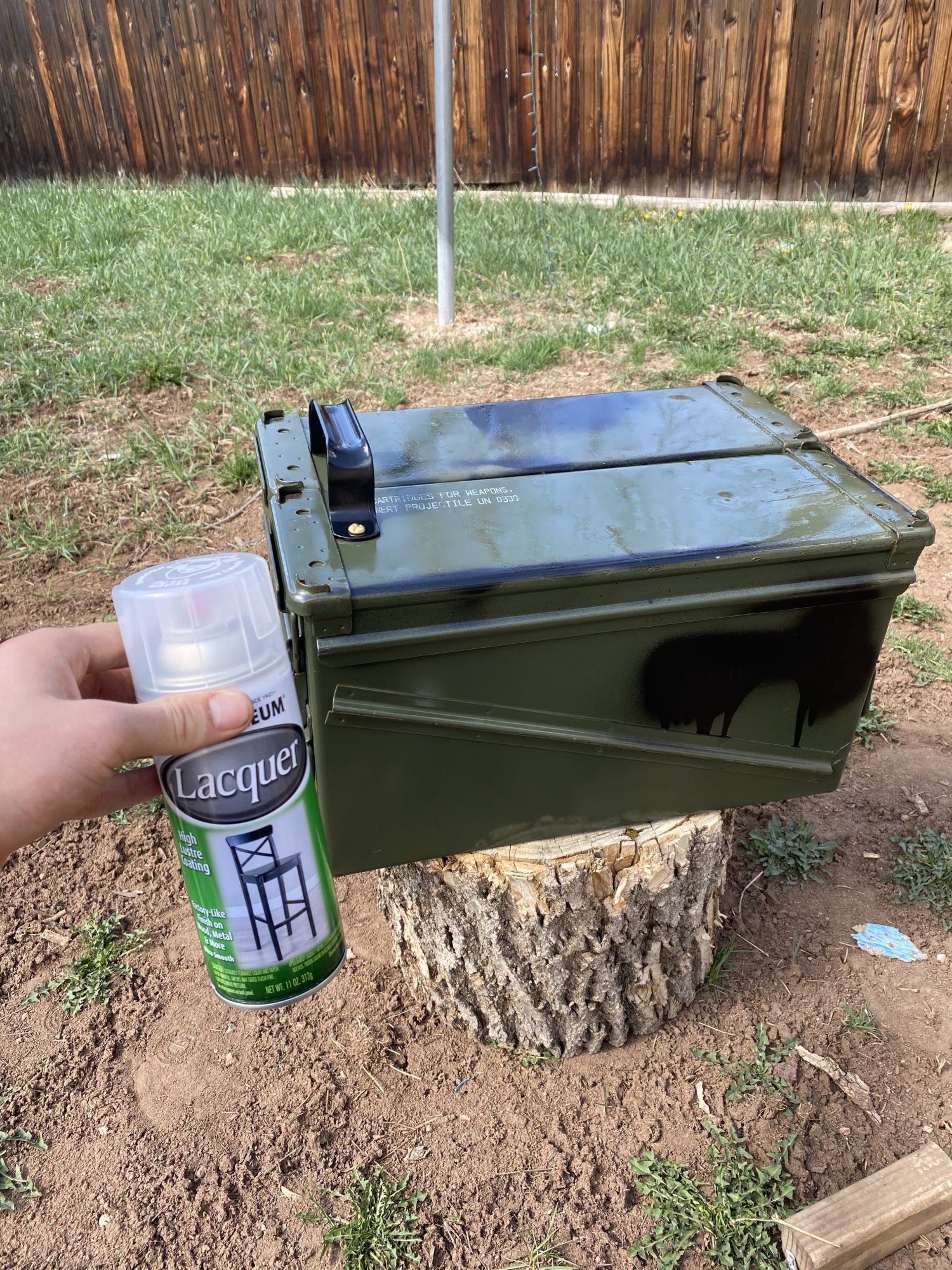
The Real Difference Between Budget Rounds and Premium Match-Grade Loads
The real difference between budget rounds and premium match-grade loads comes down to consistency, not inherent accuracy potential. Budget ammunition uses bulk propellant and jacketed bullets with looser weight tolerances, causing velocity swings of 30–50 fps between shots. Premium loads, by contrast, feature matched-weight bullets, sorted brass, and precise powder charges, tightening extreme spread to under 15 fps. For a 100-yard group, that translates to roughly 0.5–1.0 MOA from budget versus 0.3–0.5 MOA from match-grade—a gap that only matters past 200 yards or in competition. At typical hunting or plinking distances, the practical accuracy ceiling of budget rounds is higher than most shooters can exploit. Your rifle’s barrel harmonics, bedding, and trigger control will mask the variance. Match-grade’s edge emerges only in wind-reading scenarios where velocity uniformity dictates vertical dispersion.
Budget rounds sacrifice 6.5×55 Swedish Ammo for Sale shot-to-shot consistency but retain enough precision for 95% of shooting tasks; match-grade loads buy repeatability that only benefits precision work beyond 200 yards.
How to Spot High-Quality Affordable Rounds Without Getting Burned
You find a screaming deal on a case of cheap ammo, and your gut says jump. But don’t. First, shake the box—if primers rattle loose, walk away. High-quality affordable rounds have consistent crimp and sealed primers; cheap ammo that’s worth it won’t show shiny dents or uneven case mouths. Flip a few rounds over: if the bullet tip wobbles or sits crooked, you’re buying squibs and keyholes. The real trick is checking the headstamp against known budget-friendly makers—like reputable remanufacturers—and then testing a single box before committing to bulk. Spotting high-quality affordable rounds means trusting your hands over the price tag. If ten rounds group tight at 25 yards without a failure, you’ve won.
The most honest sign of cheap ammo done right is that it shoots dirtier but never jams.
The burn comes from ignoring that first-box test, not from buying low.
Key Manufacturing Signs That Indicate Reliable Cheap Cartridges
Before you trust budget-friendly ammo, check the key manufacturing signs that separate solid lots from junk. Look for clean, uniform primer pockets—burrs or off-center primers hint at rushed assembly. Crimp consistency matters: a firm, even roll crimp on the case mouth prevents bullet setback under recoil. Also, inspect case mouths for consistent trimming; uneven lengths cause pressure spikes. Run your thumb over the case wall—deep scratches or dents mean poor QC. A reliable cheap cartridge usually has visible lacquer sealant around primer and neck, keeping moisture out. Finally, .35 Remington Ammo for Sale weigh a random sample; variance over a few grains signals loose bullet weights, a classic short-cut warning.
Red Flags That Scream «Dud» or «Overpressure» in Low-Cost Boxes
When inspecting bargain ammunition, the most immediate low-cost ammo overpressure indicators appear on the case head: flattened primers that fill their pocket, cratered firing-pin strikes, or a shiny, extruded ring around the primer edge. These signal chamber pressure spikes that can batter your firearm’s bolt face. Conversely, duds often reveal themselves through visibly seated primers that sit flush or below the case head—a sign of weak Ammunition for Sale or missing primer compound—or by a light, inconsistent strike indentation. Before firing, roll each round on a flat surface; a wobble indicates an out-of-square case mouth, which fails to seat properly.
- Primer cratering or piercing around the firing pin hole.
- Case head expansion or a sticky, hard extraction after firing.
- Faint or no primer compound visible through a receded primer pocket.
- Excessive bullet setback when pressed against a hard surface.
Which Calibers Give You the Most Bang for the Least Cash
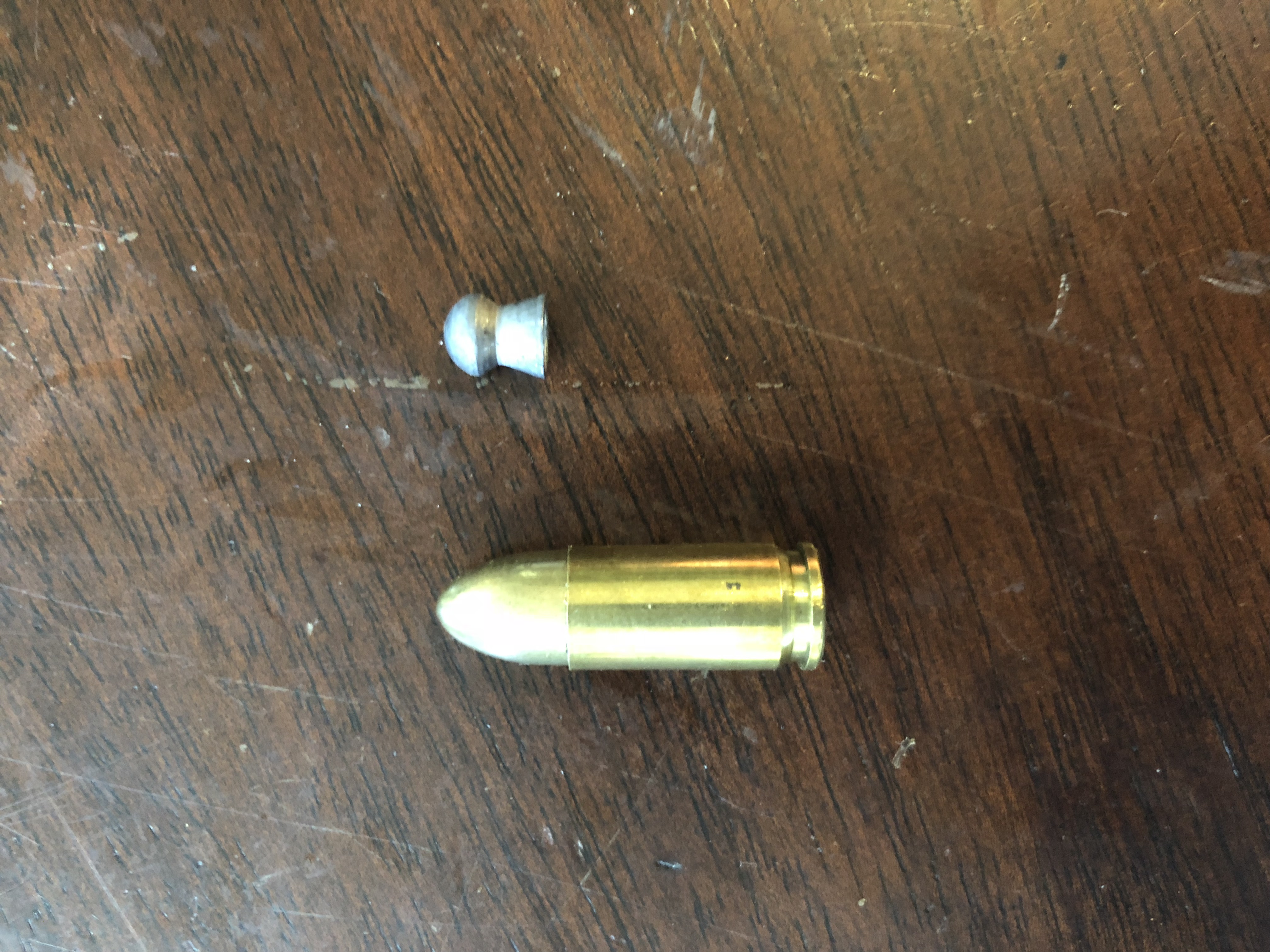
For raw shooting volume on a budget, 9mm Luger is the undisputed king—it’s everywhere, loaded by every brand, and often dips below 25 cents per round for brass case. You get reliable practice, manageable recoil, and defensive viability in one cheap package. If you want a rifle caliber, .22 LR is the absolute cheapest way to send lead downrange, costing pennies per shot and letting you burn through hundreds of rounds for the price of a lunch. It’s weak for self-defense but perfect for plinking and fundamentals. *Splitting the difference, .38 Special works in revolvers and lever guns, but it’s rarely as cheap as 9mm unless you buy in bulk online.* Skip gimmicky compact calibers like .380 ACP—they cost more and recoil harder. Stick to 9mm or .22 LR for the best balance of price, availability, and sheer trigger time.
Why 9mm and .223 Remington Dominate the Value Market
9mm and .223 Remington dominate the value market because their colossal production volumes create unmatched .32 ACP Ammo for Sale economies of scale, directly translating to lower per-round costs than nearly any comparable caliber. For handguns, 9mm’s popularity among military, law enforcement, and civilian shooters ensures constant manufacturing runs, keeping prices consistently below .40 S&W or .45 ACP while offering adequate terminal performance. Similarly, .223 Remington benefits from being the standard rifle cartridge for AR-15 platforms, meaning bulk manufacturing and fierce competition among brands drive prices down to levels that .308 or 6.5 Creedmoor rarely approach. This high demand also encourages remanufacturers and importers to prioritize these calibers, further stabilizing supply and price efficiency. Ultimately, their widespread adoption guarantees that budget-conscious shooters get the most functional rounds per dollar.
Q: Why do 9mm and .223 Remington dominate the value market?
A: Their sheer market volume lowers production costs and retail prices, offering the best cost-per-round ratio without sacrificing reliability or availability.
Hidden Gems: Underrated Cartridges That Cost Less per Round
While mainstream calibers dominate shelves, several underrated cartridges deliver exceptional value without sacrificing performance. The .40 S&W, often overlooked post-FBI exit, offers police-trade-in pistols and bulk ammo at prices rivaling 9mm, making it a cost-effective powerhouse. Similarly, the .327 Federal Magnum provides near-.357 Magnum ballistics in a lighter, cheaper-to-shoot package, especially with .32 H&R Magnum practice loads. For rifles, the .223 Remington’s military surplus and plinking variants remain a budget staple, but the .243 Winchester, chambered in abundant hunting rifles, sees frequent clearance sales due to lower demand. These rounds often fly under the radar, yet their **per-round savings on quality ammunition** become substantial for high-volume shooters. A quick comparison shows .40 S&W frequently costs 10–15% less than .45 ACP, while .327 Fed Mag offers double the capacity of .357 in comparable revolvers.
Buying Bulk Versus Boxes: How to Maximize Savings on Every Order
You’ve done the math at the counter, watching the per-box price tag while your range bag sits half-empty. That’s where buying bulk versus boxes changes everything for cheap ammo. When you grab a single 50-round box of 9mm, you’re paying for packaging and retail markup, but a 500-round case often drops the cost per round by twenty percent or more. I started ordering cases of .223 just for practice, and the savings let me shoot twice as often without touching my savings account. The trick is sticking to one caliber you actually burn through monthly, then splitting the case with a buddy if storage feels tight. That way, bulk ammo savings come from volume, not impulse. Skip the fancy defensive loads for plinking—cheap FMJ in bulk keeps your trigger time high while the per-box buyers stare at their receipts.
Calculating True Cost Per Round with Shipping and Taxes
When comparing bulk and boxed ammo, the sticker price is irrelevant; only the true cost per round after shipping and taxes matters. Calculate this by adding the product subtotal, any flat-rate or weight-based shipping fee, and applicable sales tax, then dividing by the total number of rounds in the order. For example, a 1,000-round case at $0.45/round with $25 shipping and 8% tax yields $0.54/round, while a 200-round box at $0.50/round with $12 shipping and no tax lands at $0.56/round—flipping the apparent savings. Always split shipping across multiple cases to dilute the per-round burden, and check if your state exempts ammunition from tax, as that can shift the break-even point. Weight-based shipping often punishes heavy calibers, so recalculate per caliber rather than assuming a flat fee scales linearly. You must rebuild this math for every vendor, because free-shipping thresholds and tax collection policies vary wildly, turning a “deal” into a loss.

True cost per round equals (subtotal + shipping + tax) divided by total rounds—ignore this and bulk discounts become illusory.
When to Stock Up on Surplus Lots vs. Fresh Production Runs
Snag surplus lots when you see a screaming deal on sealed, corrosive-primed ammo you plan to shoot within a year or two—especially if it’s from a trusted .338 Lapua Ammo for Sale milsurp source. That’s your best move for plinking and training volume, since surplus is usually cheapest per round. But for defensive loads or match-grade precision, wait for fresh production runs, because you need consistent primers and powder you can trust at the worst moment. Don’t hoard surplus past its shelf life; grab it when it drops, then cycle it out. Fresh runs are worth buying during off-season sales or right after restocks—not panic spikes.
- Buy surplus lots immediately when they hit the market, as popular calibers vanish fast.
- Wait for fresh production runs 6.8 SPC Ammo for Sale when you need reliable ignition for carry or competition.
- Stock surplus in spring, but hold off on fresh runs until a rebate or discount appears.
- Prioritize surplus for range days, not for long-term storage beyond five years.
Practical Storage and Handling Tips for Low-Cost Ammunition
To keep cheap ammo reliable, start by segregating it from premium rounds—low-cost primers and powders are more moisture-sensitive. Store bulk bargain boxes in airtight, desiccant-packed ammo cans, never loose in a garage where temperature swings cause condensation on 6.5x57mm Mauser Ammo for Sale the brass. Rotate your stash using a «first-in, first-out» rule, as budget propellants can degrade faster, leading to weak or inconsistent shots. When handling, avoid mixing questionable remanufactured loads with new cheap ammo in the same magazine, as pressure differences can cause feed issues.
Wipe down any tarnished rounds with a dry cloth before loading—a cheap case failure often starts with a dirty rim.
Finally, don’t pre-load all your mags weeks ahead; low-cost springs and soft primers can dent under constant pressure. Instead, load fresh at the range, keeping bulk stock cool, dry, and untouched until needed.
How to Keep Bargain Rounds Reliable in Hot, Cold, or Humid Conditions
To keep bargain rounds reliable in hot, cold, or humid conditions, focus on aggressive environmental acclimation. In heat above 90°F, store ammo in an insulated, shaded case to prevent powder pressure spikes that cause erratic velocities; never leave it in a sealed steel box inside a vehicle. For freezing temperatures, keep rounds in an inner coat pocket near body .32 Win Special Ammo for Sale heat, as cold-stiffened lubricants can slow bolt cycling. In high humidity, wipe each cartridge with a dry cloth and store them with a desiccant pack, but avoid oil-based protectants that attract dust and can seep into the primer pocket. Reliable bargain ammo in extreme weather demands testing your specific lot from cold-soaked to sun-baked states. Rotate carried rounds weekly to prevent sweat-induced corrosion.
- Load magazines only after reaching the range to minimize thermal shock and moisture absorption.
- Use airtight, silica-gel-lined containers for overnight field storage in humid climates.
- Chamber a fresh round after prolonged cold exposure to clear 6.5x57R Ammo for Sale any frost-formed internal condensation.
Best Practices for Rotating Your Stockpile to Avoid Old Ammo Issues
To prevent squibs and hangfires from degrading cheap ammo, adopt a **first-in, first-out rotation system** religiously. Label every box or can with the purchase date using a permanent marker, then store newly acquired rounds behind older ones on your shelf. Every three months, physically pull the oldest boxes and shoot them first at the range, replacing that volume with fresh stock. For bulk-packed ammo, write the date directly on the ammo can lid and, when opening it, transfer the oldest layer into a separate “shoot now” container. Before any range trip, glance at your oldest labeled stock and commit to firing it before anything newer. This habit keeps primers, powder, and sealant within their functional lifespan, ensuring your low-cost rounds perform identically to the day you bought them.
Q: How often should I physically rotate my ammo stockpile?
A: Perform a dedicated rotation check every three months, not just when you need ammo. This cadence catches humidity or temperature damage early, forces you to cycle out older rounds, and keeps your cheap ammo’s longevity predictable.
Common Accuracy and Function Problems with Budget Rounds—and Fixes
Budget ammo often shows its cost in inconsistent accuracy and finicky function. The main culprit is sloppy case mouth crimping, which causes bullets to jump or seat unevenly during feeding, wrecking your group size. Fix that by buying a cheap Lee Factory Crimp Die and running your reloads—or even factory cheap rounds—through it, though you can’t easily recrimp factory loads. For function, look for weak primer strikes on hard military-style primers common in bargain brands; a heavier hammer spring or a striker spring swap is a cheap fix. Also, undersized or dirty cases cause failures to extract, so a quick chamber polish with a felt bob and flitz often solves it. Keep chambers clean, because cheap powder residue builds up fast and jams the action.
Spend ten bucks on springs and polish before blaming your gun—most budget ammo issues are mechanical, not ballistic.
Finally, if you see keyholing, it’s usually undersized bullets, so stick to heavier grain weights that stabilize better in your twist rate.
Why Some Cheap Loads Keyhole or Misfeed in Certain Firearms
Some cheap loads keyhole or misfeed because budget manufacturing tolerances produce inconsistent bullet diameters and case neck tension. An undersized bullet, often from a worn or poorly calibrated swaging die, fails to engage the rifling properly, allowing the projectile to tumble in flight and strike the target sideways. Similarly, a case mouth crimped too lightly lets the bullet seat deeper under recoil, shortening overall length and causing feed ramp collisions. In certain firearms with tighter chambers or shorter throats, these dimensional variances amplify, turning a minor flaw into a stoppage. Keyholing is frequently traced to a barrel twist rate mismatch, where a cheap, lightweight bullet is too short to stabilize.
- Verify bullet diameter with a micrometer—slugs often run 0.001” under spec.
- Check cartridge overall length after chambering a dummy round for setback.
- Test a batch in a different firearm to isolate barrel-specific twist issues.
Quick Range Tests to Verify Your Inexpensive Purchases Are Worth It
Before trusting a bulk bargain, run a few quick range tests to see if your cheap ammo actually holds up. Shoot five-round groups from a rested position at 25 yards to check for consistent accuracy, watching for wild fliers that signal poor bullet weight or seating. Then, cycle a full magazine manually to confirm reliable feeding, since weak rim thickness or rough cases cause jams. Fire ten rounds rapidly to test for primer sensitivity or pressure spikes that leave sticky cases or unburned powder. Finally, inspect your brass for splits or bulges—a torn case mouth isn’t worth the few cents you saved, so toss that lot immediately. These drills take minutes but reveal whether your purchase is a reliable budget ammo investment or a frustrating dud.


